From Farm to Table – Waste Not, Want Not.
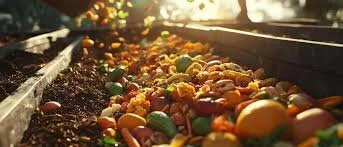
As we draw closer to the end of another year, I have had quite a few conversations with various community members about an issue that is affecting all of us one way or another. Food! The cost of food, the supply of food, and the loss and waste of food.
Food loss refers to the decrease in quantity or quality of food.
Food waste is the discarding of food that is safe and nutritious for human consumption.
It is estimated that 40% of global food is lost or wasted before it can be consumed. This just doesn’t make sense when the obvious solution is to redirect the food to those who need it,
Food waste costs us dearly through the environmental, economic, and social impacts that it has. It wastes time, water and fuel, and places pressure on the land to produce it. These losses drive up the cost of living and creates food insecurity within our community, negatively affecting people’s wellbeing, and the growth and development of our children.
Here in the Waitaki, we’re proud of the food that comes from our land and the hard work behind every meal. But, across Aotearoa, a surprising amount of good food never gets eaten. On farms, crops may be left in the paddock if prices drop, or discarded if it doesn’t meet the standards set for cosmetic appearance, size, or weight. At the manufacturing level food can be lost through spoilage, wasted through over-production, or discarded due to standards of cosmetic appearance, size, or weight. Shops, cafés, and restaurants often throw out food that doesn’t sell by the end of the day, due to strict regulations. At home, we have all experienced that limp lettuce lurking in the back of the fridge, or the half eaten yoghurt that has painted the school lunchbox and its leftovers.
Sadly, food is sometimes deliberately destroyed even though it’s perfectly fine to eat. When there’s too much of a product on the market selling it all can drive prices down. To keep prices up, some producers dump or destroy good food instead of finding another use or donating it. That might make business sense short-term, but it’s a hard pill to swallow when you see families doing it tough and food banks being stretched. Did you know that one in five children in New Zealand live in households experiencing food insecurity? It is far kinder, fairer, and more community-minded to deal with surplus by donating or sharing it locally or turning it into something longer lasting so that good food can feed people not the landfill.
As individuals we also contribute to this waste. According to Love Food Hate Waste NZ, the average Kiwi household throws away about $1,364 worth of food each year. This equates to sending approximately 86 kg of edible food annually into the bin. That adds up to billions of dollars and hundreds of thousands of tonnes of food which could have been eaten.
The good news is that together we can all help make a difference. Farmers, businesses, and individuals can link up with our local foodbank or the Salvation Army. If someone is a great organiser in our community they could investigate starting a Food Rescue group by contacting groups such as New Zealand Food Network or Aotearoa Food rescue Alliance for information on how to go about it. Businesses can get creative with surplus ingredients. Schools can teach students how to plan meals and use leftovers. At home: plan your meals, make a shopping list, store food properly, use up what’s left. Learn to compost food waste and then grow your own food using that compost. Join a Crop Swap to share your excess with and get to know great people.
A big shout out to our community groups and local businesses that have already taken the step of sharing and redistributing food to those who need it. Thank You.
If we all do our bit, we CAN build a strong community that looks after each other and our earth by ensuring the food grown and prepared with love doesn’t go to waste.
JUST do ONE THING